
What Are Fine Prints and Why Collectors Value Them
10/15/2025
What Defines a Fine Print
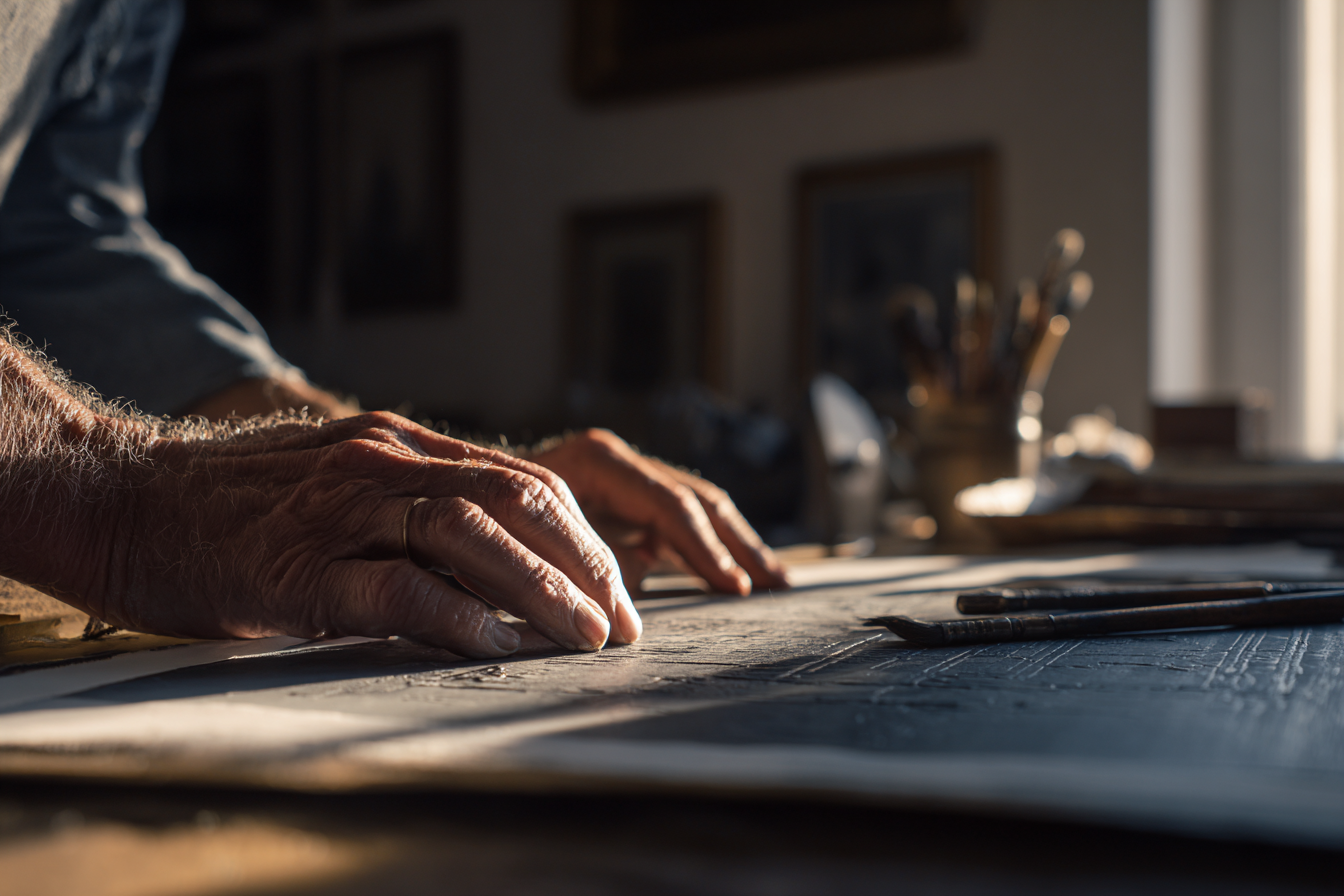
A fine print is an original artwork created by hand through the process of printmaking. The artist designs an image on a physical surface — such as a metal plate, stone, or wood block — which is then inked and pressed onto paper. Each impression carries the artist’s direct touch, making it a unique expression rather than a copy.
Fine Prints vs. Reproductions
Unlike reproductions, which are mechanically printed images of existing works, fine prints are conceived as independent originals. The artist personally executes the process with full creative intent, often signing and numbering each edition. Once the edition is complete, the printing surface is retired or destroyed — ensuring authenticity and rarity.
Why Collectors Value Fine Prints
Fine prints hold a special place between accessibility and exclusivity. They allow collectors to own original works by major artists at a more approachable level, while preserving the integrity of direct artistic creation. The combination of craftsmanship, provenance, and editioning makes them a respected and enduring category within the art market.
Investment Perspective
Over the past decades, prints by blue-chip artists have shown steady appreciation in value. Works by artists such as Banksy, Hockney, and Chagall have become essential components of diversified art portfolios. Beyond financial returns, collectors are drawn to fine prints for their tangible quality, cultural depth, and emotional resonance.
House of Gulin assists collectors in discovering and acquiring authenticated fine prints by modern and contemporary masters — balancing aesthetic sensibility with long-term value.